Case Study
Rapid Deployment of Digital Forensics in a Maritime Investigation
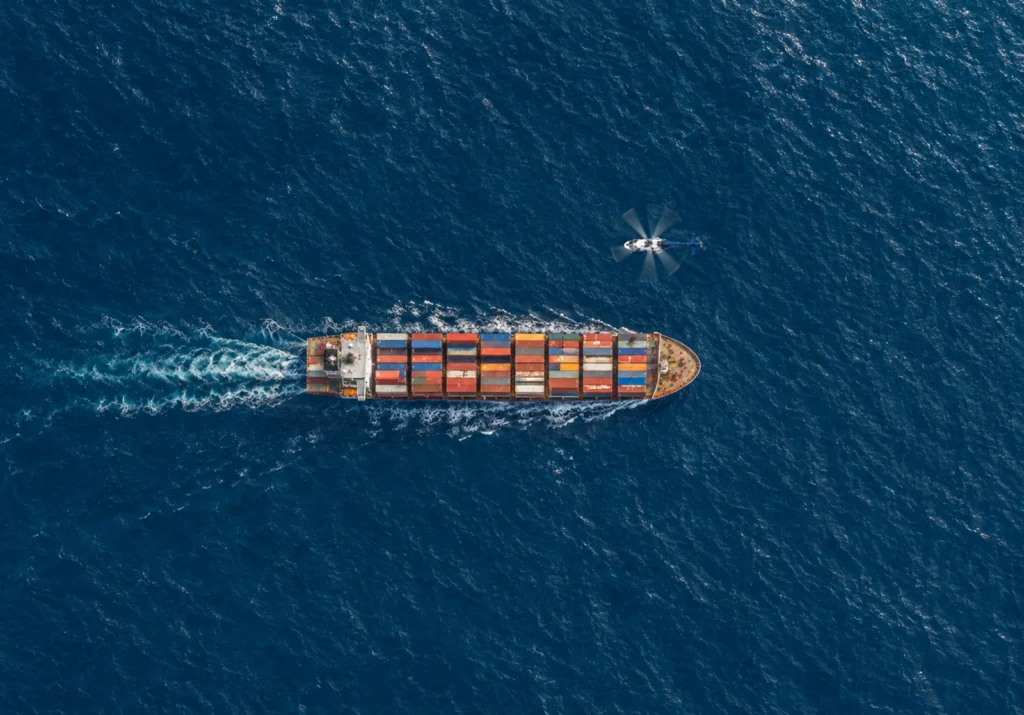
See how ArcherHall rapidly deployed a digital forensics expert to a cargo ship offshore to preserve critical cell phone evidence in a time-sensitive maritime investigation.
The Situation: A Maritime Investigation Involving Digital Evidence
A major shipping company faced potential legal and financial exposure in a maritime law case involving illicit contraband. Authorities suspected that unauthorized cargo had been brought aboard one of the company’s vessels and later discarded at sea to avoid detection. A critical piece of evidence—a crew member’s cell phone—was believed to contain key data that could either corroborate or refute this theory, making cell phone forensics essential to the investigation.
As the ship neared its destination at the Port of Long Beach, the law firm representing the shipping company contacted ArcherHall with an urgent request: secure and preserve digital evidence from the cell phone before the vessel docked, where evidence could be tampered with or destroyed.
The Challenge: Preserving Cell Phone Evidence Before the Ship Reached Port
There were three distinct challenges in this case. The first was time sensitivity: the vessel was already en route to port, leaving a narrow window to intervene before the crew had the opportunity to delete or dispose of potential evidence. The second was ensuring covert evidence collection: to avoid raising suspicion, the phone had to be seized and preserved without disrupting standard maritime procedures. And finally challenging logistics: accessing a moving cargo ship 25 miles offshore required specialized coordination and rapid deployment of forensic experts.
The Solution: Rapid Deployment and Forensic Cell Phone Preservation
Understanding the urgency, ArcherHall mobilized immediately. Our digital forensics expert was transported via helicopter to intercept the ship before it reached port, ensuring that evidence was collected before any potential destruction could occur.
Upon boarding, the cell phone was swiftly identified, secured, and forensically preserved using industry-standard protocols to maintain chain of custody. A full forensic image of the cell phone was created on-site to preserve its data, including deleted messages, location history, and app activity. The phone’s GPS records, communication logs, and metadata were analyzed, providing critical insights into crew movements and potential coordination efforts related to the contraband.
The Outcome: Critical Evidence Preserved Within Hours
The rapid collection and preservation of digital evidence prevented its destruction, allowing the legal team to examine the device’s data for crucial case insights. Forensic analysis of the phone revealed key evidence that helped the shipping company avoid adverse legal and financial consequences. By deploying an expert within hours of the request, ArcherHall ensured that the client’s interests were protected without disrupting standard maritime operations or raising suspicion.
The Value of Rapid-Response Digital Forensics
This case underscores ArcherHall’s ability to rapidly deploy digital forensics experts in high-stakes, time-sensitive investigations. Our ability to coordinate complex logistics, preserve critical digital evidence, and support legal teams with precise forensic analysis ensured a successful outcome for our client.
Frequently Asked Questions
How can digital forensics help preserve evidence in time-sensitive investigations?
Digital forensics experts can rapidly collect and preserve data from electronic devices before potential evidence is lost, deleted, or altered. Using forensic imaging and documented chain-of-custody procedures, experts help maintain data integrity while making potentially relevant information available for analysis and litigation.
What types of cell phone data can be useful in a maritime investigation?
Cell phone data such as GPS location history, text messages, communication logs, app activity, and metadata can help investigators reconstruct events, establish timelines, and identify potential coordination between individuals. In maritime investigations, this information may provide critical insights into crew movements, communications, and potential coordination of activities.